Gion: A Practical Guide to Kyoto’s Geisha District
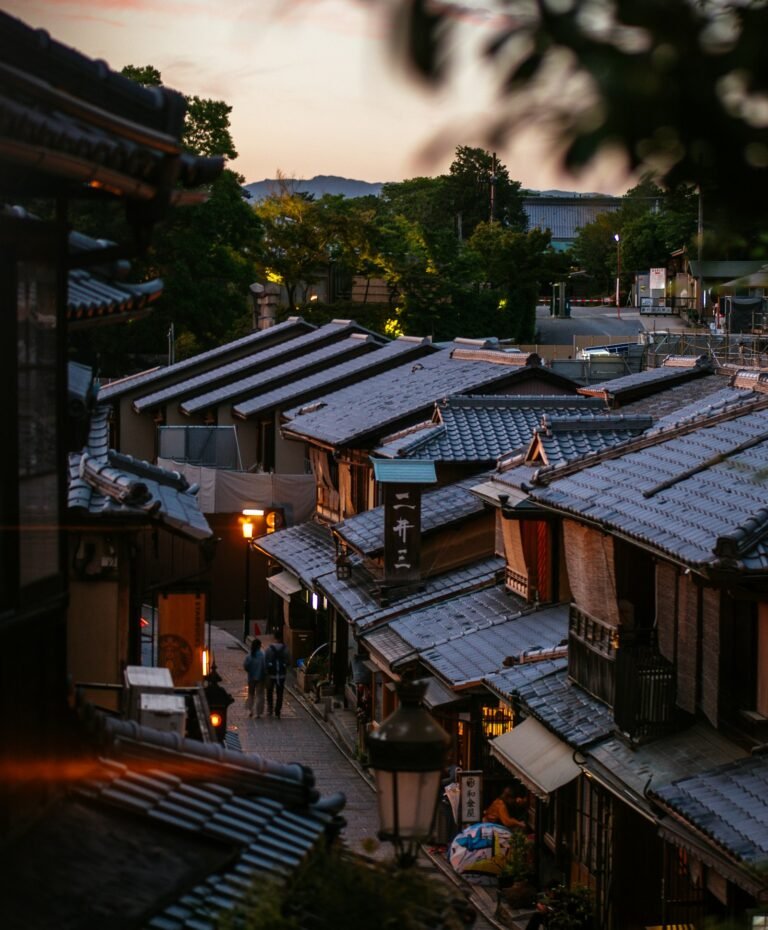
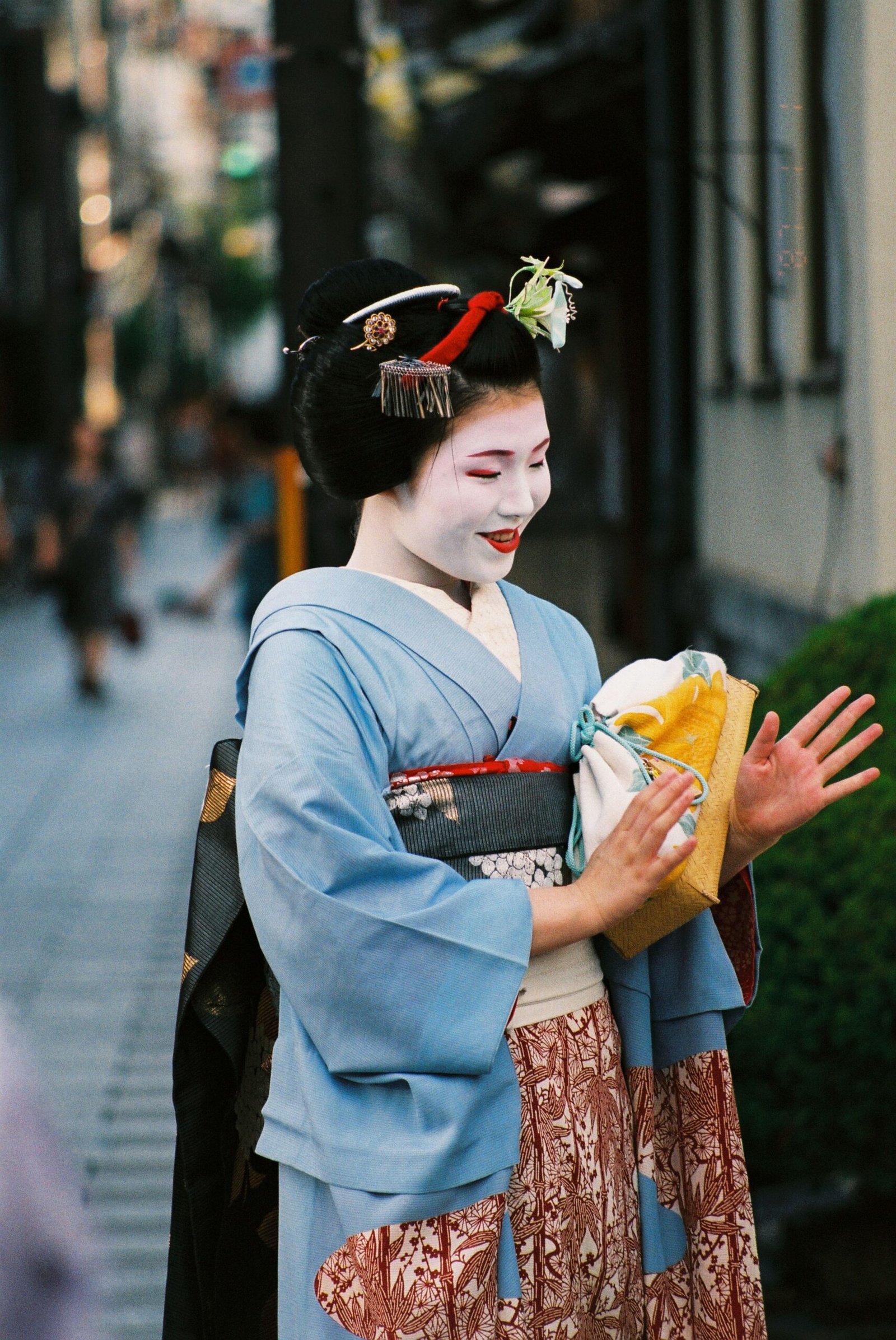
Gion is the neighborhood most people picture when they picture Kyoto at all — narrow lanes, dark wooden machiya buildings, paper lanterns, and the chance of spotting a geiko or maiko hurrying between appointments. It’s also, more than any other stop in this city, a place where a little restraint on your part makes a real difference to the people who actually live and work here.
There’s no admission fee and no set hours, because Gion isn’t a single sight, it’s a district — a collection of streets, a shrine at one end, teahouses tucked behind unmarked doors, and residents who’ve had a difficult few years dealing with the gap between how photogenic this place is and how much daily life still happens here.
The Essentials at a Glance
| What | Details |
|---|---|
| Admission | Free — it’s a public neighborhood, not a ticketed site |
| Main street | Hanami-koji, running south from Shijo-dori |
| Photography rule | Banned on private side streets (¥10,000 on-the-spot fine); allowed on Hanami-koji, Shirakawa-dori, and other public roads |
| Best time for atmosphere | Early evening, roughly 5:30–6:30 p.m. |
| Best time for quiet streets | Early morning, before 9 a.m. |
| Nearest stations | Gion-Shijo (Keihan line) or Kawaramachi (Hankyu line), both a short walk away |
Getting There
Gion-Shijo Station on the Keihan line puts you right at the district’s main crossing point, a few steps from Hanami-koji and the Shijo bridge over the Kamo River. Kawaramachi Station on the Hankyu line works nearly as well, a short walk east across the river.
From Kyoto Station, city bus 100 or 206 gets you here in about 15–20 minutes, or you can take the subway to Karasuma-Oike and transfer, which is slightly faster but involves more walking between platforms.
When to Go
Gion has two distinct moods depending on when you show up, and they’re worth experiencing separately if your schedule allows. Early morning, before the shops open and the day-trip crowds arrive, the streets are close to empty — the best time to actually look at the machiya architecture without a dozen other people in your photo.
Early evening, roughly 5:30 to 6:30, is when the district’s other reputation kicks in: this is the window when geiko and maiko are most likely to be seen heading to evening appointments at the ochaya teahouses. It’s also, unsurprisingly, when the crowds hoping to see them are thickest, particularly along Hanami-koji.
Etiquette and the Photography Rules
This is the one section of this guide worth reading closely. Kyoto’s Gion district introduced a formal ban on photography on private side streets, with an on-the-spot fine of ¥10,000, after years of visitors chasing, blocking, and grabbing at geiko and maiko for photos. The ban applies specifically to the narrower private lanes, not the main public streets — Hanami-koji itself, Shirakawa-dori, and Shijo-dori all remain open to photography.
In practice, the simplest way to stay on the right side of this is: don’t photograph a geiko or maiko without asking first, don’t block a street to get a shot, and if you’re unsure whether a lane is public or private, treat it as private and move on. None of this stops you from enjoying the district — it just means treating the people who work here as people, not photo subjects.
What to See
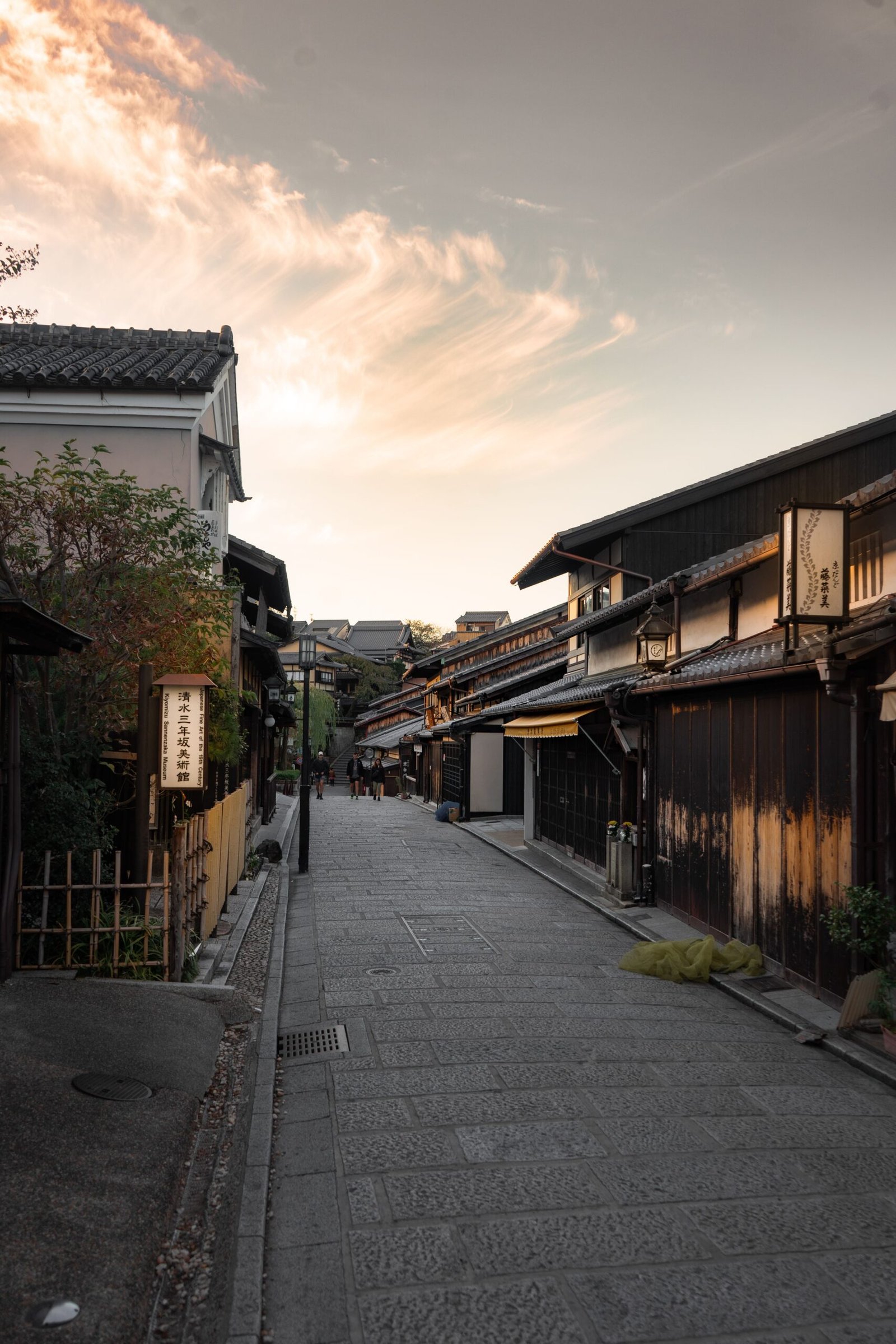
Hanami-koji. The main street, lined with machiya restaurants and teahouses, most of them unmarked or identifiable only by a small lantern. This is the postcard image of Gion, and it’s genuinely worth the walk even with the crowds.
Shirakawa canal. A quieter, arguably prettier stretch north of Shijo-dori, where willow trees hang over a narrow canal lined with more machiya. It photographs beautifully and draws noticeably fewer people than Hanami-koji.
Yasaka Shrine. Sitting at the eastern end of Shijo-dori, right where Gion meets Higashiyama, this vermilion shrine is free to enter and open around the clock, making it an easy bookend to a Gion walk in either direction.
Kennin-ji. Kyoto’s oldest Zen temple, tucked a short walk south of Hanami-koji, with a quiet rock garden and a dramatic painted ceiling dragon that gets a fraction of the foot traffic of the streets outside it.
Nearby, If You Have More Time
Pontocho, a narrow dining alley across the Kamo River, makes a natural evening continuation of a Gion walk — cross the Shijo bridge and it’s right there. Maruyama Park, just past Yasaka Shrine, is Kyoto’s most popular cherry blossom spot in early April and a pleasant, quiet green space the rest of the year.
Where to Stay Nearby
Gion is one of the most walkable, atmospheric places to base yourself in Kyoto, and staying here puts you within walking distance of Higashiyama’s temples as well as downtown Kawaramachi. Our Kyoto neighborhood comparison guide covers what staying in this area is actually like compared to the city’s other main districts.
Machiya guesthouses and small ryokan in and around Gion book up early, especially in cherry blossom and autumn foliage season, so it’s worth checking Booking.com well ahead of your dates if this is the area you want.
Bottom Line
Gion works best as a slow walk rather than a checklist — go once in the early morning for the empty streets, and again in the early evening for the atmosphere, and treat any geiko or maiko you see as someone on their way to work, not a photo opportunity. Do that, and this is one of the most quietly rewarding neighborhoods in the city.