Saiho-ji (Kokedera): A Practical Guide to Kyoto’s Reservation-Only Moss Temple
Most Kyoto temples you can walk up to, buy a ticket, and wander through on your own schedule. Saiho-ji isn’t built that way. Better known by its nickname Kokedera, or “Moss Temple,” it’s a UNESCO-listed garden of exceptional age and detail that only admits visitors who’ve applied in advance, and everyone who gets in sits through a short Buddhist ceremony before they’re allowed to walk the garden itself.
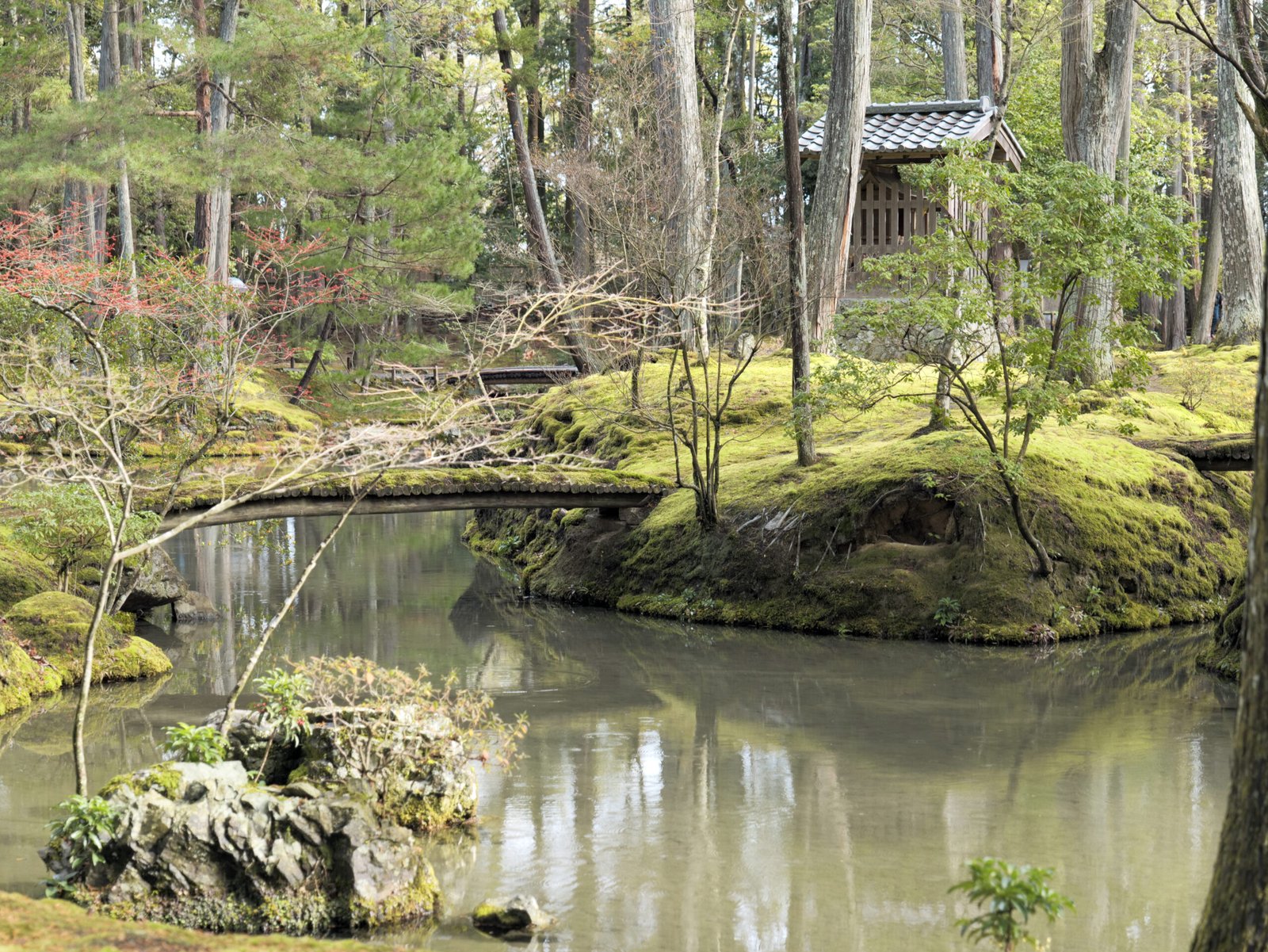
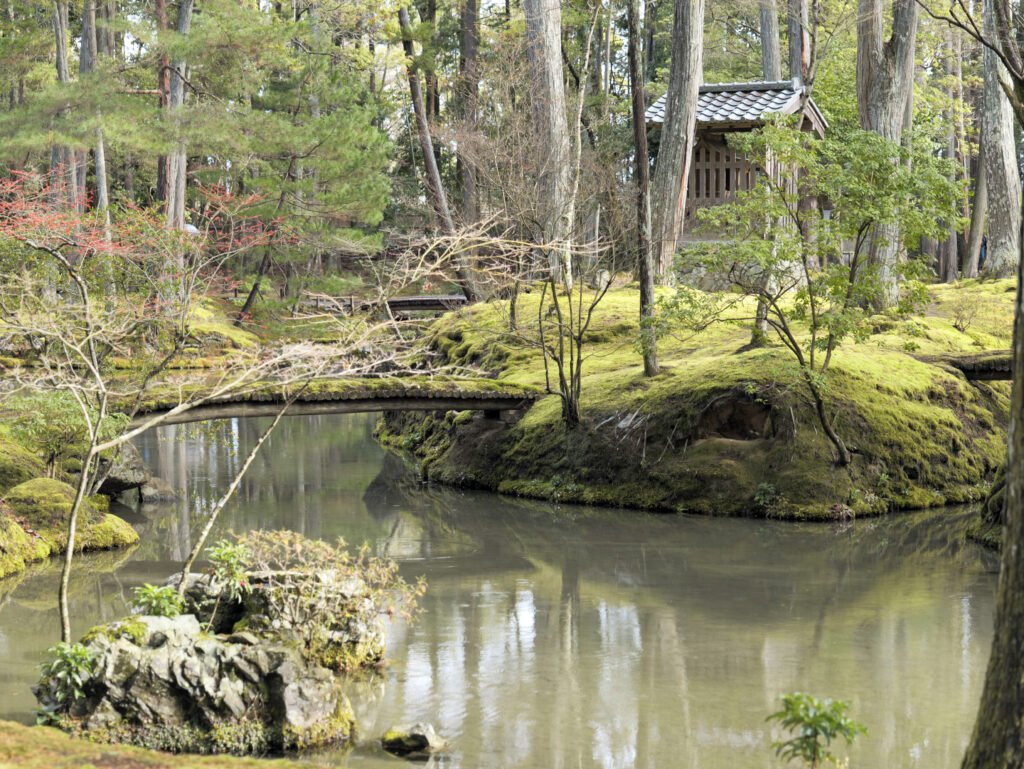
The extra steps put a lot of travelers off, which is part of why the garden stays as quiet and undisturbed as it does. If you’re willing to plan a few weeks ahead, though, the payoff is one of the most atmospheric spaces in the city: roughly 120 kinds of moss carpeting the ground beneath maples and pines, arranged around a pond shaped like the Japanese character for “heart.”
Here’s what applying actually involves, what happens once you’re inside, and whether it’s worth the hassle.
The Essentials at a Glance
| What | Details |
|---|---|
| Formal name | Saiho-ji, almost always called by its nickname Kokedera (“Moss Temple”) |
| Reservation | Required for every visitor, no walk-ins; apply by return postcard or through the temple’s own online booking page |
| Lead time | A few weeks to about a month ahead is the safe range; the online system opens roughly two months out |
| Admission | Around ¥4,000 (a little more when booking online, which adds a small service fee) |
| Minimum age | Young children are not admitted; the cutoff is around 12–13 years old |
| Visit length | Plan on roughly 1 to 1.5 hours, much of it seated |
| Getting there | Matsuo Taisha Station (Hankyu Arashiyama Line) or Kyoto City Bus #73 from Kyoto Station |
Getting There
From Kyoto Station, take the Karasuma subway line to Shijo (a few minutes), transfer to the Hankyu Kyoto Line to Katsura, then change again to the Hankyu Arashiyama Line for Matsuo Taisha Station — around half an hour total and a few hundred yen. The temple gate is about a 15–20 minute walk from there. Kyoto City Bus #73 also runs directly from Kyoto Station via the Arashiyama area to a stop near Kokedera, though it takes close to an hour depending on traffic. If you’re already staying around Arashiyama, the bus or a short taxi ride is often the more convenient option.
How to Apply for a Reservation
For decades, the only way in was by mail: send a self-addressed return postcard with your preferred date, a couple of backup dates, and your home address, then wait for the temple to mail back a confirmation with your assigned time slot. That system still works, but the temple now also runs its own online reservation portal, which tends to be simpler for visitors coming from abroad. Either way, apply a few weeks ahead if you can — the number of visitors admitted each day is capped, and popular dates, weekends, holiday weeks, and peak autumn color, fill up first. The process has changed more than once over the years, so it’s worth checking the temple’s official English site directly before you plan around a specific method.
What Happens During a Visit
Arrive at your assigned time and you’re guided into the main hall first, not the garden. A monk leads a short chanting service, after which everyone sits at long tables to copy out a Buddhist sutra by hand. The characters are printed faintly on the paper so you trace over them, so you don’t need to read Japanese or have any calligraphy experience. The whole thing usually takes somewhere around 30 to 45 minutes. Once you’re done, you’re free to walk the garden itself at your own pace.
The Moss Garden
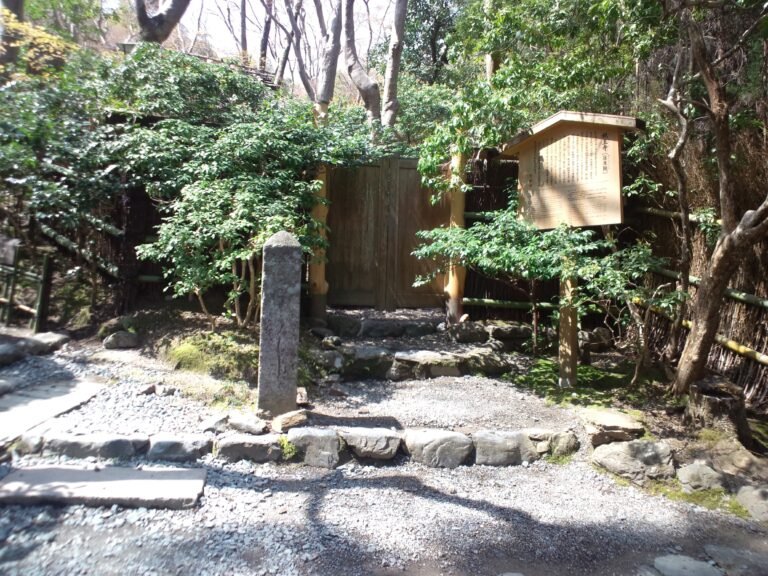
Saiho-ji’s grounds began as a villa associated with Prince Shotoku and became a temple during the Nara period, but the garden that draws visitors today dates to 1339, when the Zen priest Muso Soseki redesigned it. Muso’s layout, built around Golden Pond (Ogonchi), shaped in the character for “heart” (心), became one of the most influential gardens in Japanese history — the moss-and-pond design at Ginkaku-ji, the Silver Pavilion, was modeled directly on it about a century later. The famous moss carpet itself is largely an accident of time: the garden wasn’t originally designed around moss, but Kyoto’s humid climate and centuries of undisturbed ground let dozens of species take hold, and the temple now counts roughly 120 varieties across the grounds.
The Winter Exception
Between mid-January and February, the garden closes for seasonal rest and maintenance. Visitors during that window still go through the chanting and sutra-copying, but instead of the garden walk, you tour the main hall’s painted sliding screens and can join a session of seated zazen meditation. It’s a different experience from the rest of the year, worth knowing about if your dates happen to fall in that stretch.
Pairing It With Nearby Sights
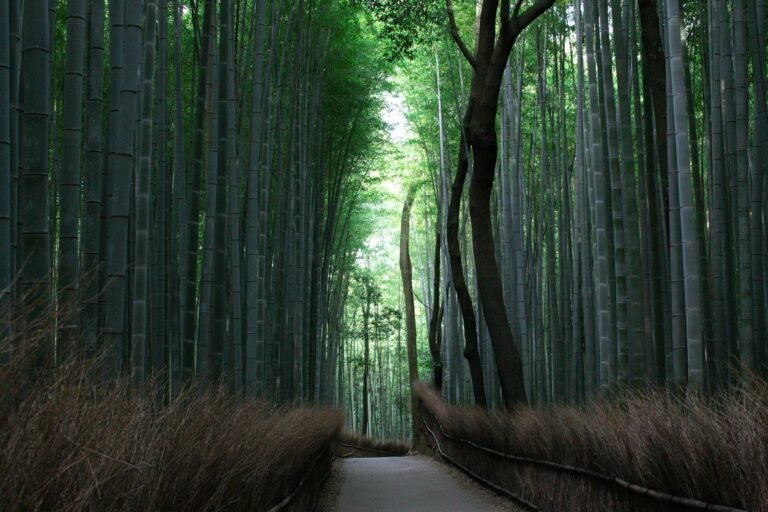
Saiho-ji sits on the western edge of the city, close to Arashiyama, so it pairs naturally with a morning or afternoon at the Arashiyama Bamboo Grove and Tenryu-ji. Because the reservation fee runs well above most temple admissions in the city, it’s worth weighing against the rest of your trip budget — our guide to Kyoto on a Budget covers how it stacks up against other sights. And since garden conditions and crowd levels shift with the seasons, our Best Time to Visit Kyoto guide can help you pick which dates to apply for in the first place.
Bottom Line
Kokedera asks more of visitors than almost anywhere else in Kyoto: an application weeks in advance, a fee well above the city average, and close to an hour of sitting still before you even reach the garden. What you get in return is a space that never feels crowded, a genuine Buddhist ritual rather than a photo stop, and a moss garden that’s been quietly perfecting itself for nearly 700 years. If a single, perfectly raked gravel garden is what you’re after, plenty of temples nearby will oblige. If you want the greener, wilder version of Zen garden design, and don’t mind a little homework to get there, Kokedera is worth the postcard.