A Day Trip to Uji: A Practical Guide to Byodo-in and Kyoto’s Tea Country
If you’ve ever handled a Japanese 10-yen coin, you’ve already seen Uji’s most famous building. The Phoenix Hall of Byōdō-in has been stamped on the back of that coin since 1951, and the temple itself — along with the tea fields that have made Uji synonymous with matcha for centuries — makes for one of the easiest half-day trips out of Kyoto.
This guide covers getting to Uji, what a visit to Byōdō-in actually involves, and how to fill out the rest of the day once you’re there.
The Essentials at a Glance
| What | Details |
|---|---|
| Byōdō-in grounds | ¥700 |
| Phoenix Hall interior | +¥300, timed entry every 20 minutes, 9:30–16:10 |
| Ujigami Shrine | Free (UNESCO World Heritage site) |
| By train from Kyoto Station | JR Nara Line to Uji Station, about 30 minutes (~240 yen) |
| Typical time needed | Half a day (3–4 hours); a full day if you add the observation deck and tea shops |
| Least crowded time | Weekday mornings; avoid April–May and October–November, when Phoenix Hall waits can run 1.5 hours |
Getting There
The JR Nara Line runs directly from Kyoto Station to Uji Station in about half an hour, making this one of the simplest day trips in the region — no transfers, no complicated routing. The Keihan Uji Line is a slower alternative if you’re coming from elsewhere in the city. From Uji Station, Byōdō-in is about a 10-minute walk, mostly along the approach street lined with tea shops.
If you’re coming from Fushimi Inari, the JR Nara Line runs straight through both stops, so it’s easy to combine the two into one outing without backtracking through Kyoto Station.
Planning Your Day
A half day covers the essentials comfortably: Byōdō-in’s grounds and Phoenix Hall, a stop at Ujigami Shrine, and time for tea in one of the shops along the approach street. If you want to add the Daikichiyama observation deck (a 20-minute uphill walk with a view over the town) or spend real time browsing and tasting at the matcha shops, plan for a full day instead.
The Phoenix Hall’s interior is only viewable on a timed entry, roughly every 20 minutes, and tickets are limited — during peak cherry blossom and autumn foliage weeks, waits have stretched to an hour and a half. Getting to Byōdō-in soon after opening is the most reliable way to avoid losing half your day to that line.
What You’ll See
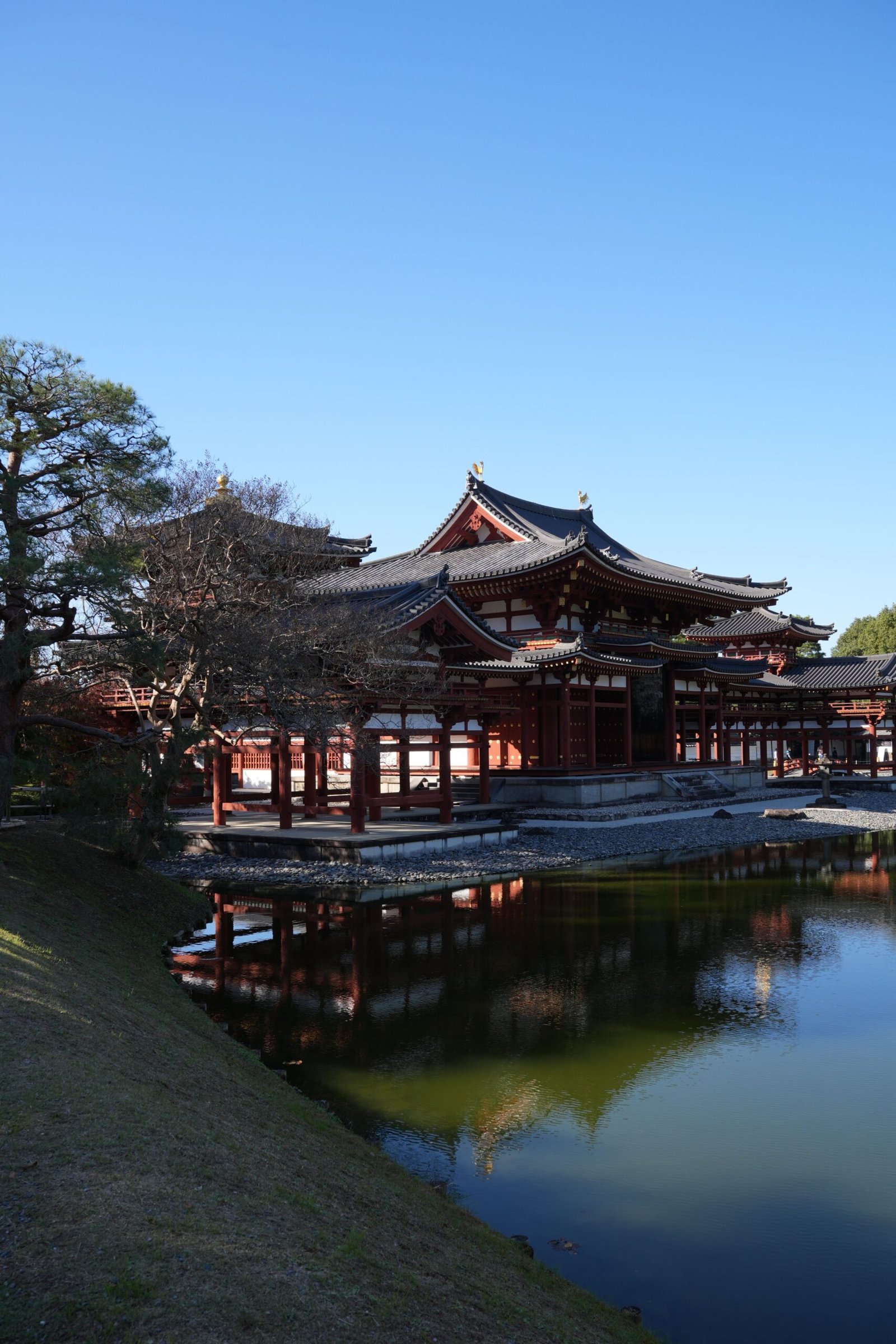
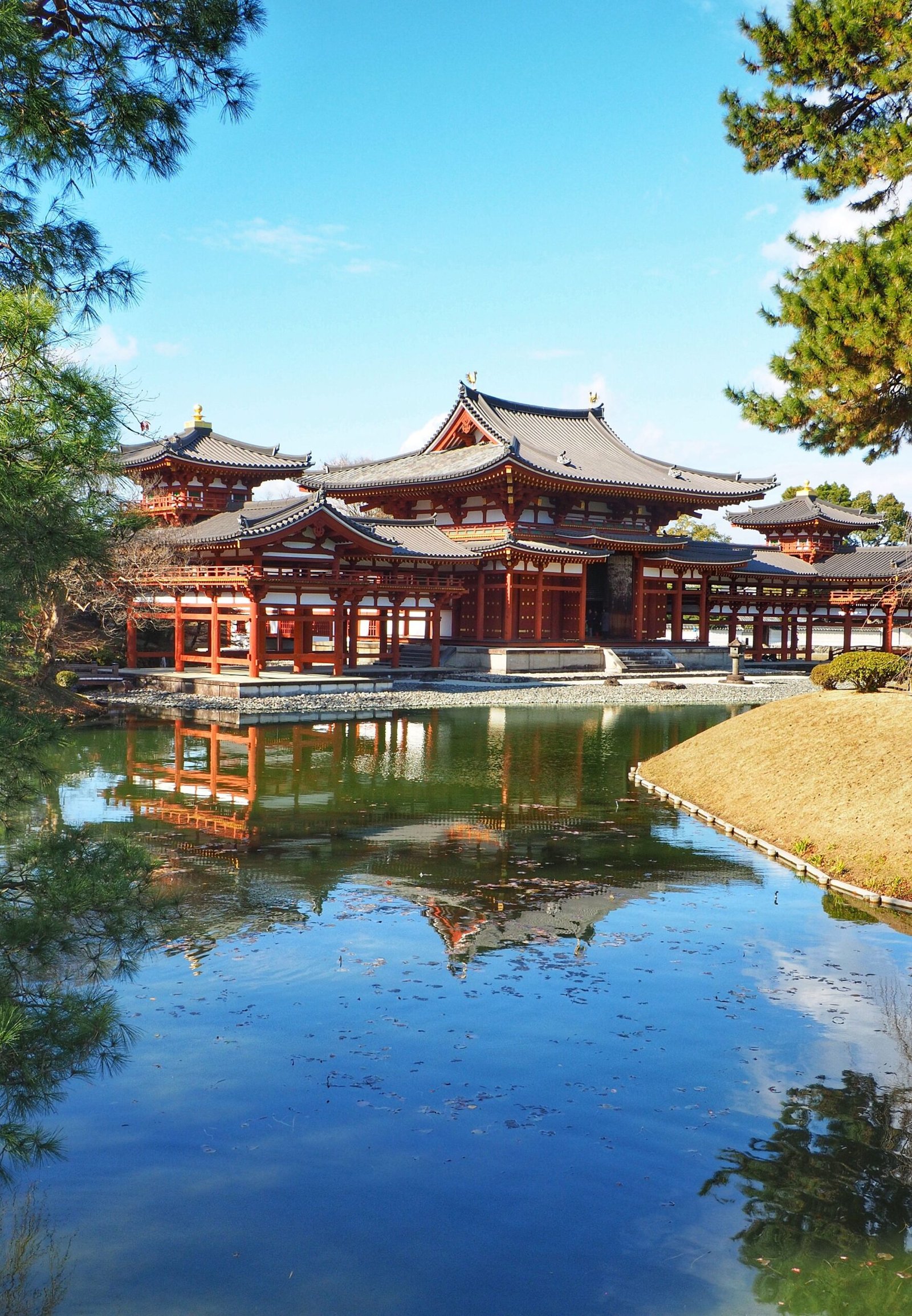
The Phoenix Hall. Built in 1053 and remarkably close to its original form, this is the building on the 10-yen coin — a wooden hall shaped like a bird in flight, sitting at the edge of a reflecting pond so that on a still day the whole structure doubles in the water. The interior houses a large gilded Amida Buddha statue and can only be seen on the timed tours; the exterior view from across the pond is free and, for most visitors, the more memorable part anyway.
Hōshōkan Museum. Included with the grounds ticket, this modern museum holds several of Byōdō-in’s National Treasures, including the temple bell and a set of small wooden bodhisattva statues originally mounted inside the Phoenix Hall itself — worth the stop even if you skip the timed hall tour.
Ujigami Shrine. A short walk across the river, this UNESCO-listed shrine building is the oldest surviving Shinto shrine structure in Japan. It draws a fraction of Byōdō-in’s crowds despite the designation, and the walk over the Uji River to reach it is a good excuse to see the town beyond the temple approach street.
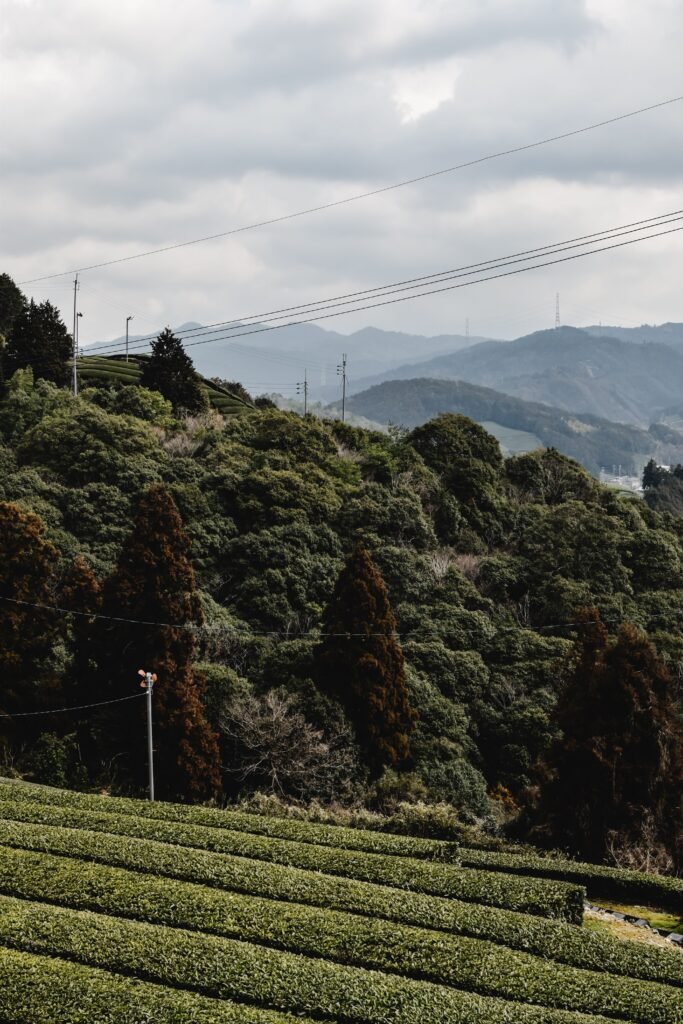
The tea shops. Uji has grown tea since the 13th century and is considered one of Japan’s two or three most important matcha-producing regions. The approach street to Byōdō-in is lined with shops selling matcha soft-serve, tea-flavored sweets, and proper tea tastings — a reasonable place to sit down for a break between the temple and the shrine.
Nearby, If You Have More Time
Since the JR Nara Line connects the two directly, Uji pairs naturally with a Fushimi Inari visit earlier or later in the day — our Fushimi Inari guide covers that stop. Trying to fit both into one day is realistic if you start early, since neither requires more than half a day on its own.
Where to Stay
Uji works far better as a day trip than as a base — most of what makes central Kyoto worth staying in, from nightlife to easy access to other sights, is a 30-minute train ride away. Our Kyoto neighborhood comparison guide covers where to base yourself instead.
Booking.com is a reasonable place to check availability in central Kyoto for the nights around your Uji day trip.
Bottom Line
Uji is one of the most efficient day trips near Kyoto: a 30-minute train ride gets you to a UNESCO World Heritage temple, an even quieter UNESCO shrine, and some of the best matcha in Japan, all within walking distance of each other. Go early to beat the Phoenix Hall line, and leave room in the itinerary for tea.