Philosopher’s Path: A Practical Guide to Kyoto’s Canal Walk
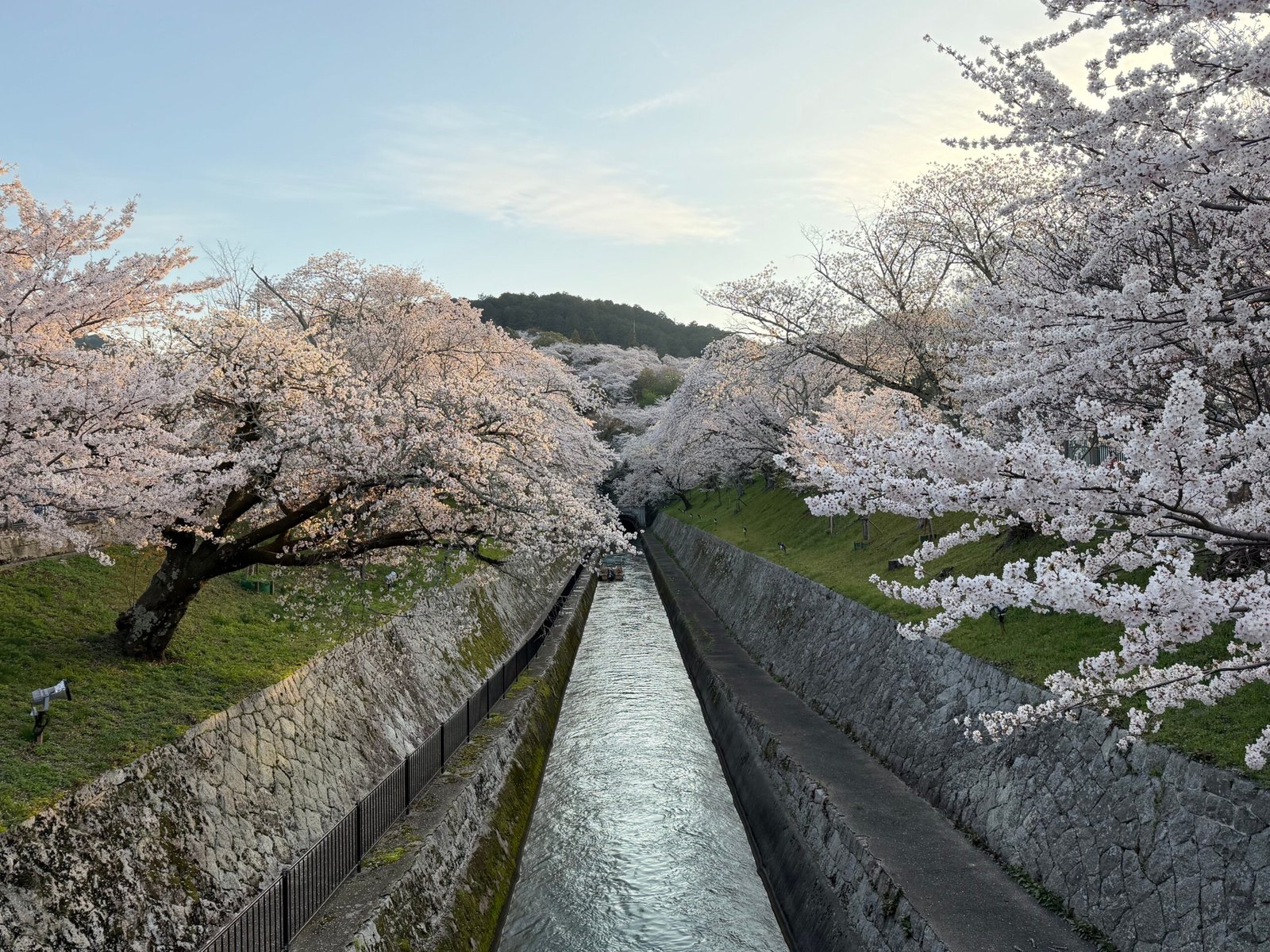
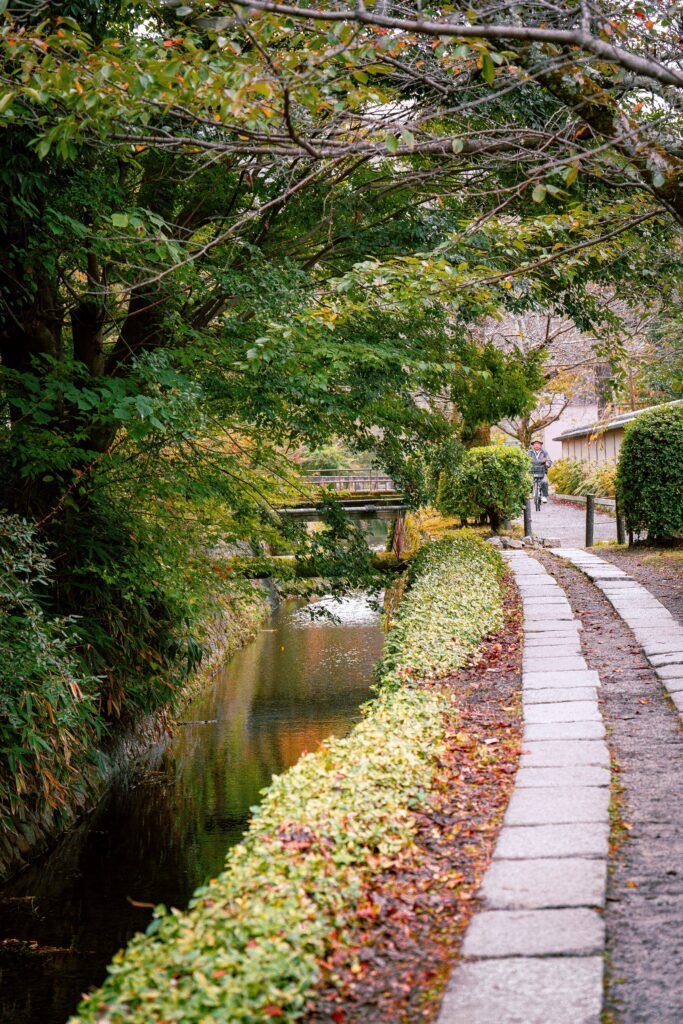
A two-kilometer stone path running alongside a cherry-lined canal, connecting two of Kyoto’s most-visited temples — the Philosopher’s Path is less a single sight than a very pleasant way to get between two of them.
The name comes from Nishida Kitarō, a 20th-century philosopher who reportedly walked this route daily on his way to Kyoto University, using the time to think. Today it’s lined with slender cherry trees the whole way, dotted with small cafes, craft shops, and a handful of quiet temples worth a short detour.
The Essentials at a Glance
| What | Details |
|---|---|
| Length | About 2 km, roughly 30–45 minutes walking straight through |
| Cost | Free |
| Hours | Always open — it’s an outdoor public path |
| Endpoints | Ginkaku-ji (north) to Nanzen-ji (south) |
| Best season | Early April for cherry blossoms; November for autumn color |
| Typical visit length | 1–2 hours with stops at cafes and side temples |
| Nearest access points | Ginkakuji-michi bus stop (north end); Keage Station, Tozai Line (south end) |
Getting There
Start from whichever end fits your route better. For the north end, City Bus 5, 17, or 100 to Ginkakuji-michi puts you a short walk from the path’s start near Ginkaku-ji. For the south end, Keage Station on the Tozai subway line is a five-to-ten-minute walk from Nanzen-ji, with the path beginning just north of the temple grounds.
When to Go
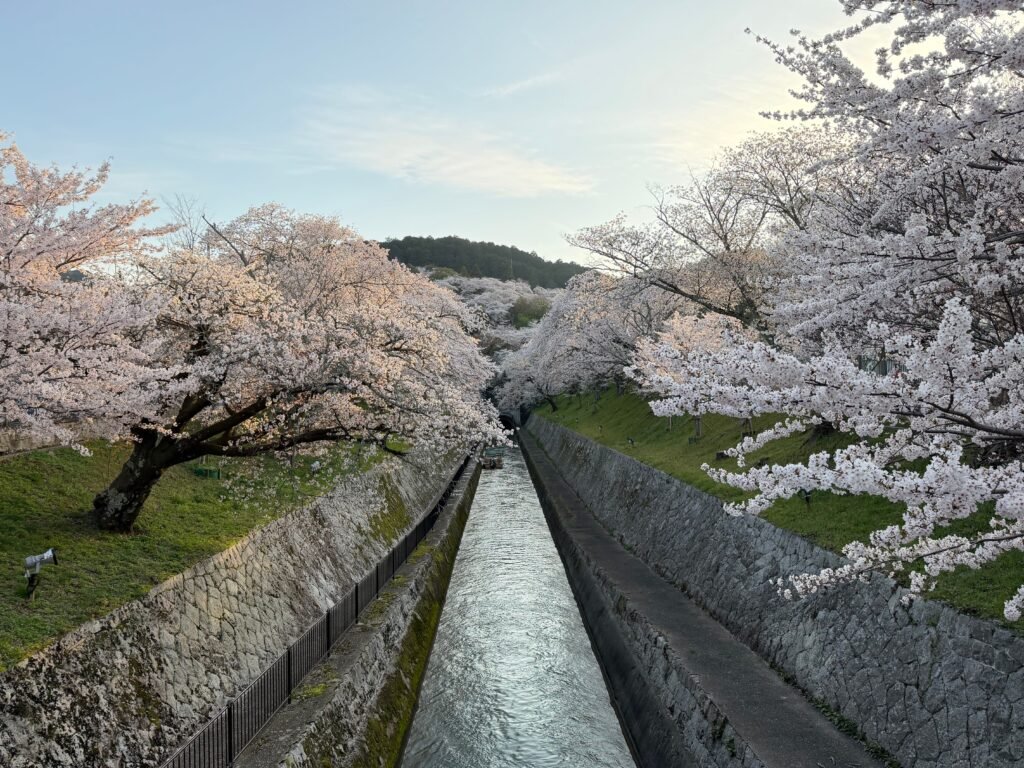
Early April, when the cherry trees along the canal bloom, is by far the most popular — and most crowded — time to walk it; go early in the morning if you want photos without a wall of people. Outside peak bloom, the path is calm at almost any time of day, and autumn brings a quieter version of the same color show.
What You’ll Pass Along the Way
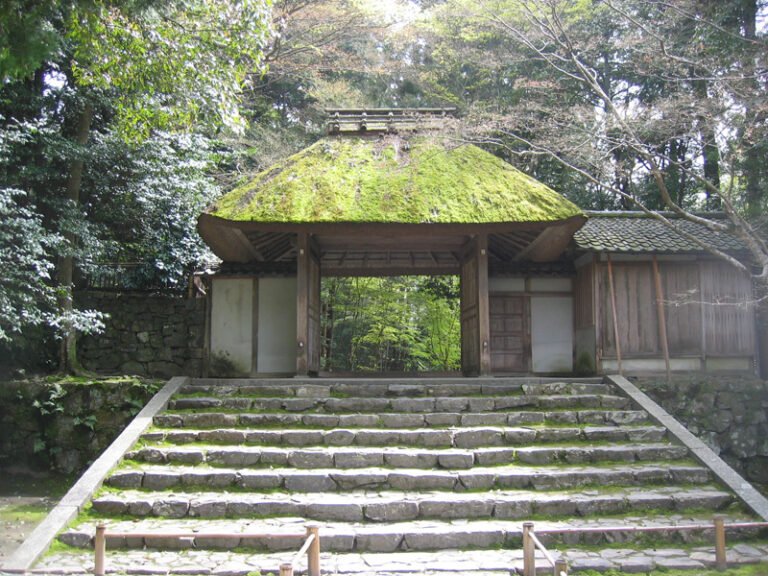
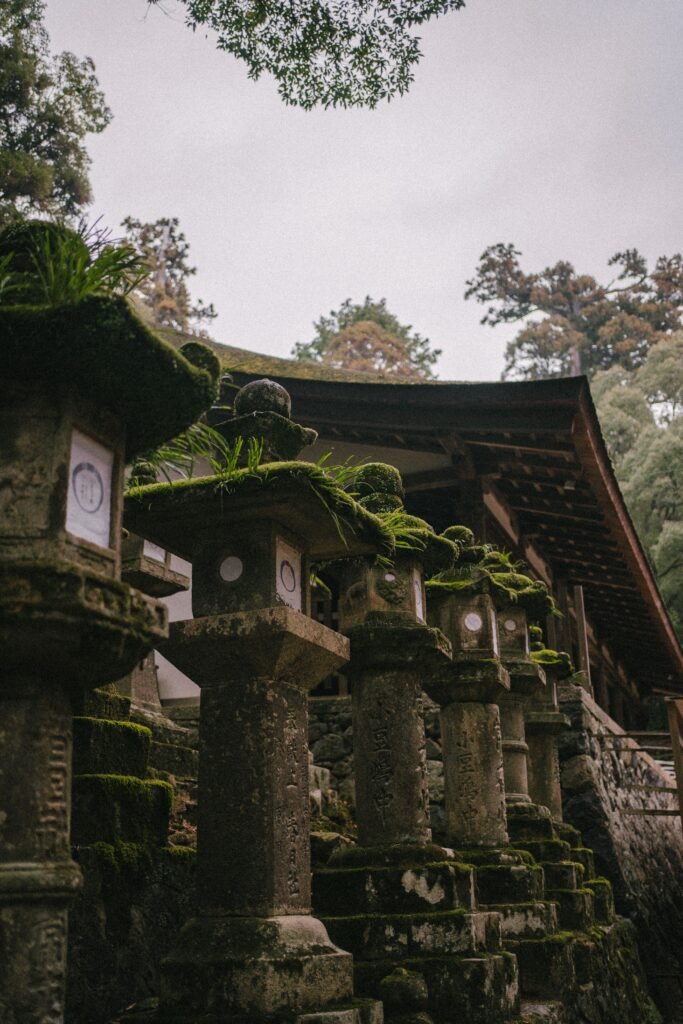
Hōnen-in. A moss-covered stone stairway and thatched gate mark the entrance to this small, little-visited temple just off the main path — one of the better detours if you only take one.
Ōtoyo Shrine. A small shrine known for its unusual guardian statues, including mice instead of the usual foxes or lions.
Cafes and craft shops. Small, independently run spots line stretches of the path, good for a coffee break partway through.
The canal itself. Part of the Lake Biwa Canal system built in the Meiji era — the same waterway that feeds the aqueduct at Nanzen-ji.
Nearby, If You Have More Time
The path’s two ends are both destinations in their own right — Ginkaku-ji, the Silver Pavilion, sits at the north end, and Nanzen-ji, with its brick aqueduct and rock garden, sits at the south. Walking the full path between them makes an easy half-day loop.
Where to Stay Nearby
The path runs along Kyoto’s eastern edge, not especially close to any single hotel cluster — most visitors walk it as a detour from central Kyoto rather than staying right next to it. Our Kyoto neighborhood comparison guide covers the central areas that keep you within a short ride of either end.
Anywhere along the Karasuma or Tozai subway lines keeps both endpoints reachable without much hassle. Booking.com covers the range of options in those areas.
Bottom Line
The Philosopher’s Path is at its best treated as a route rather than a checklist item — walk it slowly between Ginkaku-ji and Nanzen-ji, detour into Hōnen-in if the gate catches your eye, and don’t rush the cafes. Spring blossoms get the photos, but it’s a pleasant walk in any season.